Modifying & Customizing Vehicle Wiring Ensures Peak Performance and Reliability
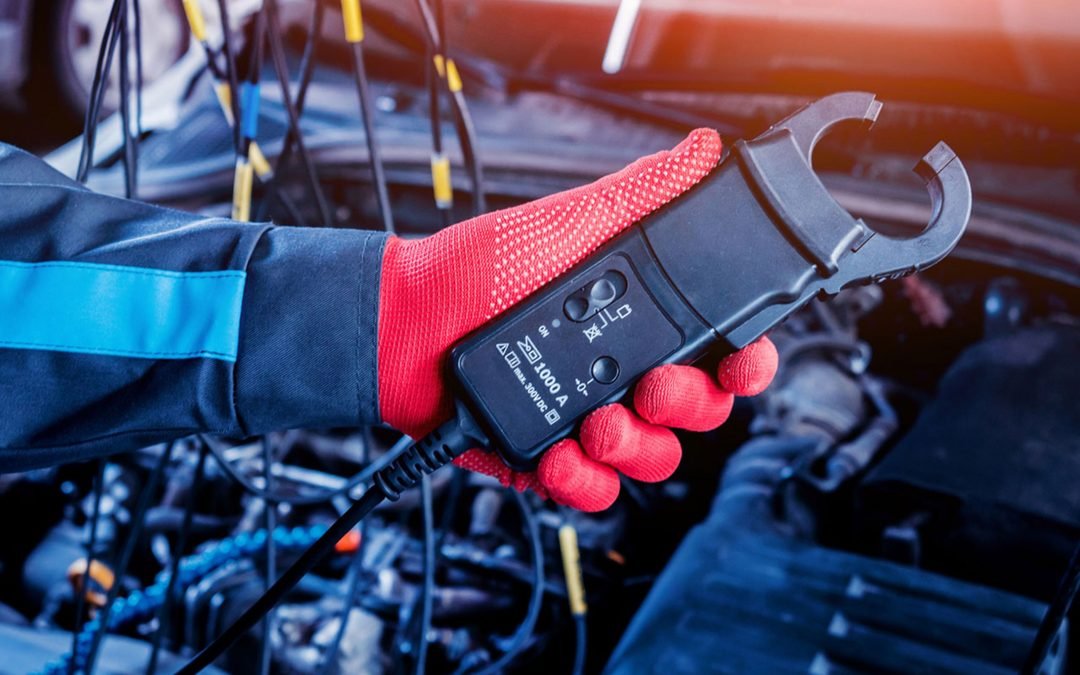
There's a subtle hum of electricity beneath the surface of every vehicle, a complex network of wires that powers everything from your headlights to your engine's sophisticated control unit. For enthusiasts, restorers, and innovators, simply accepting factory wiring often isn't enough. When you're chasing peak performance, converting an EV, or bringing a classic back to life, Modifying & Customizing Vehicle Wiring isn't just an upgrade—it's the foundation for reliability, safety, and unlocking your vehicle's true potential. It's about designing an electrical nervous system that's precisely tuned to your unique machine, not a one-size-fits-all solution.
At a Glance: Why Custom Vehicle Wiring Is a Game-Changer
- Precision Fit: Tailored to your vehicle's exact layout, avoiding clutter and incompatible connections.
- Enhanced Performance: Optimized for electrical efficiency, reducing power loss and signal interference.
- Superior Safety: Mitigates fire risks and system failures with industrial-grade components and proper grounding.
- Simplified Troubleshooting: Clear markings and documentation make diagnostics and future upgrades easier.
- Future-Proofing: Supports advanced electronics like ECUs, CAN buses, and sophisticated sensor networks.
- Durability & Longevity: Built with high-quality, application-specific materials designed to endure harsh automotive environments.
Beyond the Stock: Why Custom Wiring Matters for Your Vehicle
Every vehicle's electrical system is its lifeblood. Stock wiring, while adequate for its original purpose, often falls short when you introduce modifications, upgrade components, or even just deal with the ravages of time and wear. Generic aftermarket harnesses can create new problems, leading to frustrating intermittent issues, voltage drops, or even dangerous electrical fires.
This is where custom automotive wiring harnesses step in. They transform your vehicle's electrical system from a potential point of failure into a robust, high-performing asset. Professionals and serious enthusiasts prefer them because they directly address common electrical issues, significantly improving overall reliability, safety, and electrical performance in ways generic solutions simply can't.
The Unmistakable Advantages of Tailored Vehicle Wiring
Choosing to custom-design your vehicle's wiring harness offers a cascade of benefits that impact every aspect of its operation.
Perfect Fit, Zero Compromise
Unlike off-the-shelf options, a custom harness is meticulously designed for your specific vehicle and its unique modifications. This means every wire length, connector type, and routing path is precisely tailored to your model, electrical system, and equipment configuration. It eliminates redundant wiring, avoids incompatible interfaces, and prevents the "spaghetti monster" look of poorly integrated systems. Whether it's a hot rod conversion, an EV transplant, or a specialized off-road rig, a perfect fit ensures optimal performance and a clean aesthetic.
Optimized Electrical Efficiency
Custom harnesses are engineered for efficiency. By optimizing layouts and selecting superior materials, they significantly reduce voltage loss and signal interference. This is achieved through the use of higher-quality wires—think high-purity or tinned copper for better conductivity—and high-temperature resistant insulation like XLPE or Teflon. The result? Better conductive efficiency, reduced energy waste, and a longer lifespan for your entire electrical system and connected components.
Safety First: Mitigating Risks
Safety is paramount, and custom wiring dramatically reduces electrical hazards. General-purpose harnesses are often prone to issues under the high current, vibration, and temperature fluctuations common in vehicles. Custom solutions, however, employ industrial-grade connectors, robust protective sleeving (like braided mesh or heat-shrink tubing), and meticulously planned grounding. This proactive approach mitigates critical risks like fires from overloaded circuits, system failures from signal loss, and frustrating intermittent problems caused by loose or faulty connections.
Simplified Maintenance & Diagnostics
Imagine trying to troubleshoot an electrical problem on a complex system with unmarked wires. It's a nightmare. Custom harnesses are designed with future maintenance in mind, featuring clear markings (heat shrink labels, laser markings), comprehensive electrical drawings, and often modular designs. This attention to detail makes locating problems quicker, enables unit replacement or upgrades without full vehicle disassembly, and simplifies the integration of new electronic devices like GPS systems or reversing cameras. A well-documented custom harness is an investment in stress-free ownership. For a deeper dive into understanding these intricate layouts, check out Our Wire Diagram Guide.
Powering Tomorrow's Tech
Modern vehicles, and especially custom builds, rely heavily on advanced electronics. ECUs (Engine Control Units), CAN bus systems, and complex sensor networks demand a stable and reliable data transmission environment. Standard harnesses often lack the dedicated interface support needed for these sophisticated components. Custom wiring provides the necessary infrastructure, ensuring seamless communication and robust performance for your vehicle's most intelligent systems.
Professional Polish and Enduring Value
Beyond functionality, a custom wiring harness reflects a commitment to quality and professionalism. Neat wiring, proper routing, and high-quality components not only perform better but also look the part. This attention to detail contributes to higher system integration, more reliable electrical performance, and ultimately, greater controllability and expandability for your vehicle. It's a statement of quality that can enhance your vehicle's perceived value and longevity.
Where Custom Wiring Drives Innovation: Key Applications
The versatility of custom wiring makes it indispensable across a wide spectrum of automotive applications:
- Classic Cars & Hot Rods: Bringing vintage beauties into the modern age with reliable, safe electrical systems that support new engines, lighting, and creature comforts.
- EV Conversions: Designing bespoke high-voltage and low-voltage harnesses for electric powertrains, battery management systems (BMS), and vehicle control units (VCU).
- Off-Road Vehicles, UTVs & ATVs: Creating robust, waterproof, and vibration-resistant harnesses to withstand extreme conditions and power winches, auxiliary lights, and communication systems.
- Heavy-Duty Trucks: Ensuring the reliability of complex electrical systems that power specialized equipment, multiple axles, and advanced telematics.
- Motorsport & Race Cars: Engineering lightweight, high-temperature resistant harnesses optimized for critical data transmission and rapid component changes under racing demands.
- Specialty or Military Vehicles: Developing highly durable, often EMP-hardened or specific-use harnesses for unique functional requirements and extreme operational environments.
Crafting Your Custom Harness: A Five-Step Journey
Developing a custom wiring harness is a specialized process, a blend of engineering precision and practical application. It ensures every component works in perfect harmony.
1. Starting Point: Consultation & Requirements Gathering
This initial phase is all about understanding your vision. You'll engage in an in-depth discussion covering everything from your vehicle's type and application to your budget and lead time. Key details include:
- Vehicle Specifics: Model, year, and any existing modifications.
- Connected Devices: Number and type of ECUs, lights, sensors, auxiliary equipment.
- Voltage System: Standard 12V/24V or high-voltage for EV applications.
- Environmental Factors: Will the harness be exposed to extreme temperatures, moisture, or vibration?
- Desired Functionality: What exactly do you need the harness to do?
This detailed consultation ensures the final product perfectly aligns with your project's goals.
2. Blueprint for Success: Design & Schematic Development
With a clear understanding of your requirements, the engineering team develops a comprehensive design and schematic. This isn't just a simple diagram; it's a detailed blueprint specifying:
- Conductor Material: High-purity copper, tinned copper, or aluminum alloy.
- Insulation Type: PVC, XLPE, Teflon, or silicone rubber, each with specific temperature and resistance properties.
- Sheathing Options: Heat shrink tubing, braided sleeving, corrugated loom, or fire-resistant cloth tape for physical protection.
- Connectors: Waterproof (IP67/IP69K), high-temperature, multi-pin, locking, or quick-connect types.
- Certifications: Ensuring compliance with industry standards like RoHS, UL, ISO/TS1649, SAE J1128, or CE.
This stage translates your needs into a precise technical specification, forming the basis for manufacturing.
3. Built to Last: Material Selection
While implicitly covered in the design phase, the careful selection of materials is so critical it warrants explicit mention. Over 80% of a custom harness's quality and performance hinge on its core materials. Each component is chosen based on its electrical, physical, and environmental characteristics to match the harness's intended application. This ensures not just functionality, but longevity and resilience in the face of automotive demands.
4. Proving Ground: Prototyping & Rigorous Testing
Once the design is confirmed, a sample or prototype harness is created. This isn't immediately sent to your vehicle; instead, it undergoes a battery of rigorous tests:
- Continuity Checks: Ensuring every connection is sound.
- Insulation Resistance/Voltage Tests: Verifying the integrity of the insulation under various electrical loads.
- Plug Verification/Compatibility Tests: Confirming all connectors mate correctly and securely.
- Simulated Installation Tests: Replicating the vehicle environment to catch any unforeseen routing or fitment issues.
This crucial step identifies and rectifies any potential flaws before full production begins, guaranteeing the final product meets exacting standards.
5. Bringing It to Life: Production & Delivery
Upon successful prototype validation, the formal production phase begins. This involves using high-precision equipment, such as automatic crimping machines and terminal crimping force control systems, to ensure consistent quality. Every harness undergoes 100% factory function testing, often with 2D code traceability for quality assurance. Finally, the finished harnesses are packaged with moisture protection and delivered with supporting documents like detailed drawings, cable numbers, and installation instructions, making your job easier.
The Heart of the Harness: Materials and Technical Excellence
The quality of a custom wiring harness is intrinsically linked to the materials used and the precision of its technical parameters. This isn't about using "expensive" materials, but the right materials for the job.
Conductors: The Path for Power
- High Purity Oxygen-Free Copper (OFC): The gold standard for conductivity, offering minimal resistance and maximum power transfer. Ideal for high-performance applications where every watt counts.
- Tinned Copper: Offers excellent oxidation and corrosion resistance, making it perfect for humid, high-salt, or otherwise corrosive environments often found under a vehicle or in marine applications.
- Aluminum Alloy: A lightweight alternative, suitable for applications where weight reduction is critical and lower currents are acceptable.
Insulation: Protection and Performance
- PVC (Polyvinyl Chloride): A cost-effective option for general-purpose wiring in non-extreme environments.
- XLPE (Cross-Linked Polyethylene): Offers excellent abrasion resistance and can withstand temperatures up to 125°C, making it a common choice for engine compartments and EV applications.
- Teflon/PTFE (Polytetrafluoroethylene): Exceptional electrical properties and can handle temperatures exceeding 200°C. Preferred for motorsports, aerospace, and military applications where extreme heat is a factor.
- Silicone Rubber: Flexible and resilient across a wide temperature range (-60°C to 200°C), making it ideal for RVs, medical devices, and other harsh environments requiring flexibility.
Sheathing & Physical Armor: Beyond the Wires
- Heat Shrink Tubing: Provides waterproof sealing, structural stability, and strain relief at connections.
- Braided Sleeving: Offers mechanical strength, abrasion resistance, and excellent wire management, contributing to a clean, professional look.
- Corrugated Loom: Provides robust anti-abrasion and anti-pressure protection for harnesses routed through chassis, door panels, or other areas subject to physical wear.
- Fire-Resistant Cloth Tape Wrap: Used for NVH (Noise, Vibration, Harshness) control, additional fire prevention, and anti-vibration properties, particularly in critical areas.
Connectors & Terminals: The Critical Junctions
Automotive-grade connectors are non-negotiable. This includes:
- Waterproof Connectors: Rated up to IP67/IP69K, essential for external applications or harsh environments.
- Multi-Pin Connectors: For complex interfaces like ECUs or sensor arrays.
- Locking & Quick-Release Types: Ensuring secure connections that won't vibrate loose, while still allowing for easy servicing. Deutsch, Amphenol, and Molex are common industrial standards.
Gauge & Color Coding: Precision and Clarity
- Wire Gauge: Selected based on current capacity, voltage drop, length of run, and impedance. Common specifications range from 0.22mm² to 25mm² (equivalent to AWG24 to AWG3). Proper gauging prevents overheating and ensures optimal power delivery.
- Color Coding: Adheres to customer-specific standards (e.g., DIN, SAE, OEM) for immediate identification of circuits, simplifying installation and troubleshooting.
Real-World Impact: Custom Wiring in Action
Seeing is believing. These case studies highlight the tangible benefits of investing in custom vehicle wiring.
Case Study 1: Electrifying an EV Conversion
A startup specializing in electric pickup truck conversions faced a major hurdle: integrating a complex high-voltage (HV) system safely and reliably. They needed a custom harness solution that could handle 600V+, communicate with their Battery Management System (BMS) and Vehicle Control Unit (VCU), and ensure rapid, compliant electrical certification.
The custom solution featured:
- HV-rated wires with double-layer insulation for maximum safety.
- Specialized interfaces for BMS, VCU, and charging ports.
- Clear, detailed schematics and installation guides.
- Extensive testing, including HV insulation resistance and partial discharge tests.
Result: The first prototype operated flawlessly, reducing commissioning time by over 30%. The robust design and clear documentation significantly expedited electrical certification, allowing the startup to move to production quickly and confidently.
Case Study 2: Conquering the Rally Course
A seasoned cross-country rally team experienced repeated failures with their original, aging wiring harness, leading to costly DNF (Did Not Finish) results. They needed an ultra-reliable, high-performance solution that could withstand extreme temperatures, constant vibration, and corrosive elements.
The custom harness incorporated:
- High-temperature Tefzel wire for superior heat and abrasion resistance.
- Rugged Deutsch connectors, known for their IP67 waterproof and dustproof sealing.
- A modular design to allow quick component swaps during service stops.
- Comprehensive replacement manuals for their pit crew.
Result: The team completed the grueling rally season without a single harness-related failure, earning a coveted Finishers Award. Repair times in the field were reduced by 50% due to the modular design and clear documentation, proving the direct correlation between custom wiring and competitive advantage.
Your Burning Questions Answered
We get a lot of questions about the custom wiring process. Here are some of the most common.
How long does a custom harness take to produce?
Lead times vary significantly based on complexity:
- Simple projects: 5-7 working days (e.g., basic lighting harness).
- Complex projects: 10-20 working days (e.g., with multiple modules, BMS, or CAN bus integration).
- High-voltage systems or high protection levels: Over 4 weeks due to specialized materials and testing.
Expedited services are often available for urgent projects.
What information do I need to provide for customization?
The more detail, the better! Ideally, you should provide:
- Vehicle type and year.
- Number and location of all connected devices.
- Voltage system (12V/24V/High Voltage EV).
- Specific design needs (e.g., waterproof, heat-resistant, vibration-proof).
While wiring diagrams or CAD files are incredibly helpful, even detailed sketches or photos can suffice to start the conversation. OEM or professional tuners can also receive assistance with DVP (Design Verification Plan), BOM (Bill of Materials), and electrical topology planning.
Can you support larger projects or OEMs?
Absolutely. Custom wiring providers often offer comprehensive services for automotive tuning plants, equipment manufacturers, engineering machinery plants, and OEMs. This includes support from initial sample development through to mass production, encompassing product coding, inventory management, customized packaging, dedicated delivery systems, exclusive connector combinations, printed logos, and Non-Disclosure Agreements (NDAs) to protect your intellectual property.
Ready to Revitalize Your Ride? Taking the Next Step
Modifying and customizing your vehicle's wiring is more than just connecting circuits; it's about building a robust, efficient, and reliable electrical foundation for your project. Whether you're upgrading an existing system, embarking on a complex conversion, or simply seeking to eliminate persistent electrical gremlins, a custom-designed harness offers unparalleled benefits.
Don't settle for generic solutions that compromise performance, safety, or longevity. By investing in a professionally engineered custom wiring harness, you're not just buying wires and connectors—you're securing peace of mind, unlocking your vehicle's true capabilities, and ensuring a smoother, safer journey ahead. Take the first step by consulting with an expert to outline your vision; your vehicle deserves nothing less than a perfectly integrated electrical heart.